
Working for an exceptional leader or, alternately, working for an unprepared manager, is a universal and impactful milestone in an employee’s career. Ask just about anyone in the workforce, and they can recall the most positive or negative experience they’ve had with a boss or a manager. Also relatable for many people is the experience of being promoted and feeling an ill-equipped or underprepared.
There are distinctly different causes for the impact a great leader makes on their team versus the impact made by a poor leader or an ill-fated promotion. The latter can often be attributed to something called the “Peter Principle”. In their book by the same name, authors Laurence J. Peter and Raymond Hull argue that “in a hierarchy, employees are promoted based on their success in previous roles until they reach a position where they are no longer competent, at which point they remain stuck.” Organizations tend to promote good front line workers without giving them the supervisory or managerial skills they need to transform from a good worker to a good people manager.
The problem with Tenure-based Promotion
According to Gallup, 65% of all supervisors were promoted based on their performance or years of experience in frontline roles. Only 30% were promoted based on their supervisory skills and experience. Gallup also found that only 31% of employees who are supervised by individuals promoted for their experience and performance as front-line workers are fully engaged at work.
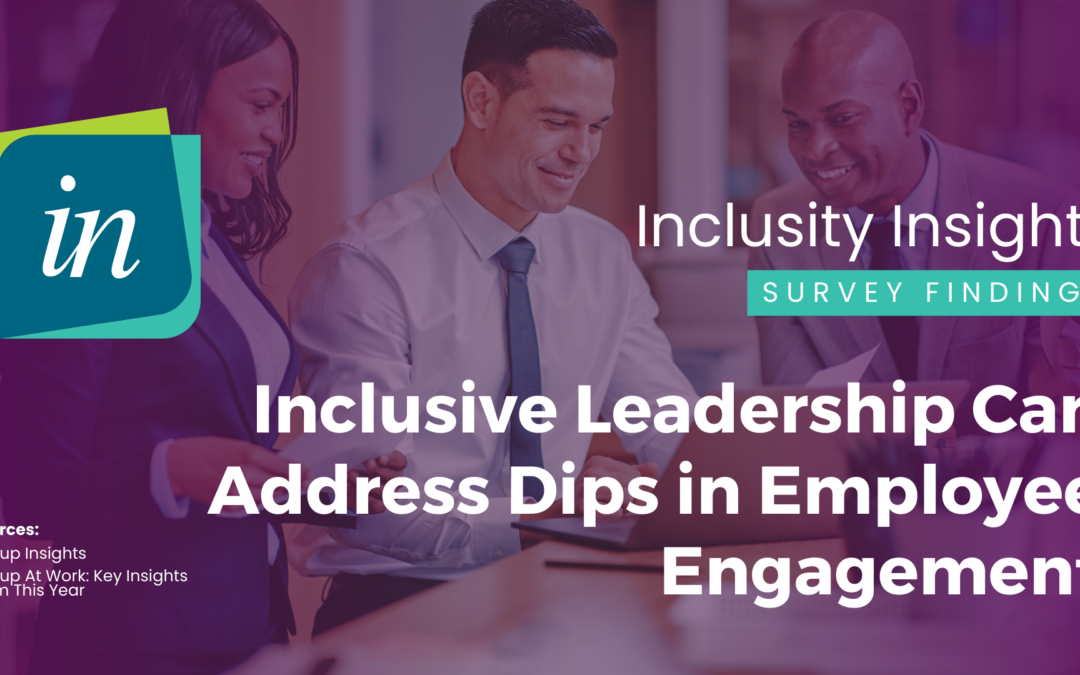
Because we know that there is a direct correlation between engagement and productivity, this reality can negatively affect an organization’s overall success. The importance of employees feeling that their leader is engaged, inclusive and competent truly cannot be overstated. According to Gallup’s Culture Shock, “managers’ own engagement, effectiveness, and natural talents account for at least 70% of the variance in team-level engagement, even while controlling for other factors.”
The Missing Piece of that Promotion Package
Organizations that promote from within need to do more than reward good employees with more responsibility, oversight and pay. Employees being promoted to supervisory or managerial roles need training to develop the skills they will need to be successful. Being an effective leader requires more than the knowledge and experience needed to complete the actual work tasks. Part of rewarding good employees with promotions is helping them become effective leaders – which will have a positive impact on their teams’ engagement and productivity.
Sharpening Unprepared Managers’ Skillsets
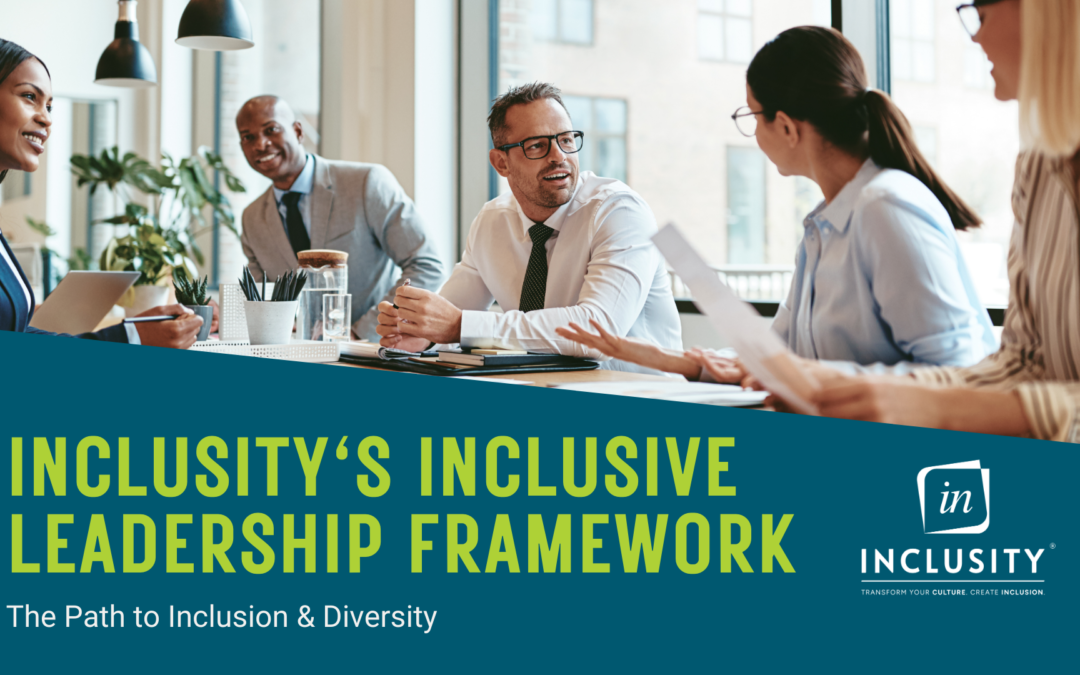
What types of skills will help new leaders become successful leaders? At Inclusity, we look at leadership development through the lens of our Inclusive Leadership Framework, which is categorized into areas that include actionable qualities for leaders to harness and develop. Skills that are fundamental to good leadership also happen to be skills that support an inclusive culture.
This includes skills like:
- Active listening
- Assessing skills
- Valuing feedback
- Building trust and fostering belonging
- Creating safety
- Leveraging diversity
- Upholding accountability
…and many more. Our framework allows leaders to look at their practices and to identify strengths as well as which skills need further development. We build one or more of the framework’s 18 skill objectives into each of our workshops.
Inclusive leadership development clearly builds the awareness and skills of the leader, but the positive impact ripples through the organization. Employees trust and engage more fully, teams collaborate more effectively, and the organization performs better.
If you’re ready to set your leaders up for success – contact us about tailoring our inclusive leadership training options for your organization.