Diversity and Inclusion

The Importance of Employee Engagement

The importance of inclusive and engaged leadership at the highest levels is very closely tied to the engagement of their employees. Employee engagement refers the level of commitment and enthusiasm that employees have for their work and the company they work for. When...

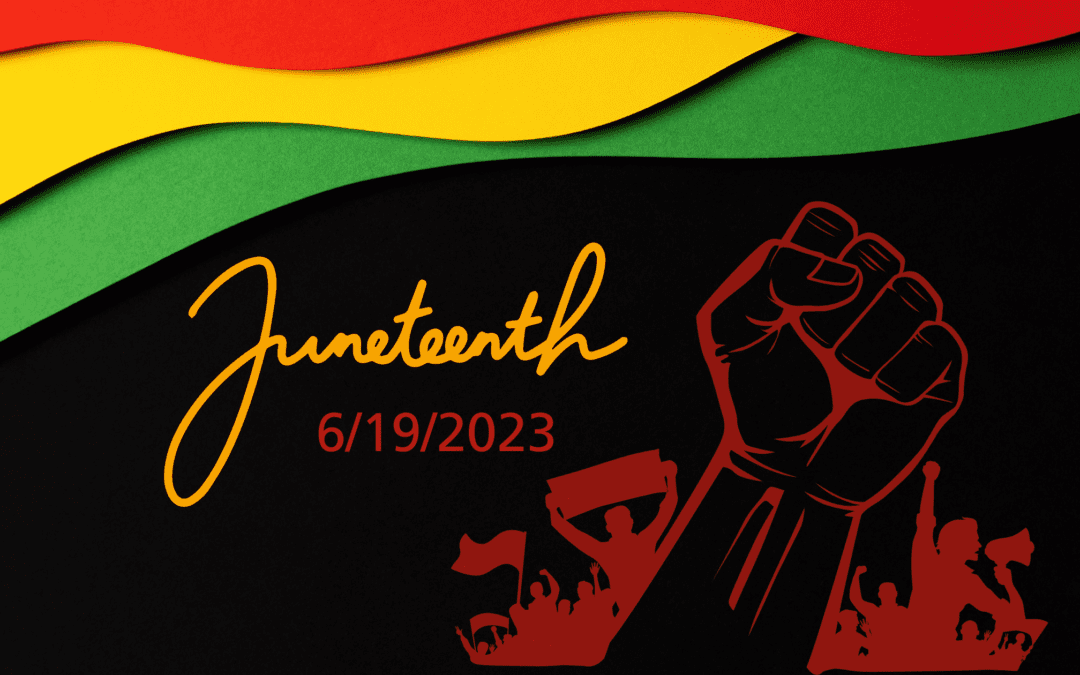
Juneteenth

Although the Emancipation Proclamation had been signed by President Abraham Lincoln on January 1, 1863, it took more than two years for the news to reach Texas, which was still under Confederate control during the Civil War…

A Culture of Inclusion Starts at the Top

Building a culture of inclusion begins when leadership is on board. Their commitment is essential to sustaining a positive culture in the long run.Although the responsibility for inclusion sits on the shoulders of the CEO, the only way for any diversity and inclusion...

Age Is More Than a Number: Embracing Generational Diversity

For the first time in history, there are five generations of employees in the workforce. From seasoned Traditionalists with years of experience to Generation Z-ers, workplaces are becoming increasingly varied by age. Because of the spectrum of ages, differences in the...

The Enneagram: How this Personality Assessment Can Cultivate Inclusion 

The business case for diversity in the workplace is a strong one. We tend to think of diversity in terms of the primary dimensions of diversity – gender, race, age, and sexual orientation. What about diversity in terms of people’s personalities? Understanding...

White Men as Inclusion, Diversity, & Equity (IDE) Partners

In this blog, we hear from Patrick Hughes, a facilitator with Inclusity. He openly shares his perspective as a white male in the IDE space; he fits into almost every in-norm, dominant social identifier in our society. Patrick addresses the “elephant in the room” right...

5 Things to Consider When Evaluating A Company’s Culture for IDE

So, your organization has decided to make inclusion, diversity, and equity (IDE) a priority. We know IDE culture change is a complex process, and every organization’s journey is unique. However, no matter where you are on your roadmap for developing an IDE program, a...

How to Leverage Trust In Leadership to Strengthen Inclusion

Why is Trust in Leadership important? Diversity and inclusion have been more of a focus the last few years, but an organizational commitment to promote a diverse and inclusive culture is predicated by a climate of trust - especially trust in leadership. “For many...

Why Inclusion Comes First: 5 way to Lead with Inclusion

Why Inclusion Comes First The approach to diversity in our workplaces is constantly changing. While there are various acronyms for this work (DEI, EDI, I&D, EDIB), at Inclusity, we think that inclusion matters most. We believe this so strongly that we’re steadily...

Beyond Pride Month: Establishing an LGBTQ+ Inclusive Workplace

Every June, businesses celebrate Pride Month to show their support for the LGBTQ+ community; however, true allyship requires advocacy beyond one month a year. The LGBTQ+ community and its allies need businesses to activate beyond Pride Month and stand behind the...

Diversity and Inclusion (DEI) Training is the foundation of any organization’s drive to create a welcoming and inclusive workplace. Our articles on Diversity and Inclusion provide resources, insights, and best practices for companies seeking to build a diverse and inclusive culture. Our DEI training programs are designed to help employees understand the importance of diversity, develop cultural competencies, and learn strategies for creating a more inclusive workplace. We cover various topics, including unconscious bias, allyship, and subtle acts of inclusion. We aim to empower leaders to create a workplace where all employees feel valued, respected, and included. Join us as we explore the power of Diversity and Inclusion in the workplace.